MyBest Seattle

The 15 Best Addiction Treatment Centers in Seattle

Seattle addiction treatment centers serve different stages of recovery, from telehealth and outpatient care to structured residential programs, medication support, and peer meetings. The right starting point depends on immediate safety, substance use needs, daily responsibilities, and the level of structure required.

Compare the care pathway, access format, mental health coordination, and support for families. If someone may be in immediate danger, contact emergency services; for non-emergency questions, ask providers what assessment and next step they recommend.

How this guide is ordered

Options are organized around the support people may be seeking: telehealth, outpatient recovery, PHP or IOP care, residential treatment, opioid use disorder services, peer meetings, and family intervention guidance. The guide also considers coordination, communication, and practical access. Some eligible businesses may purchase enhanced visibility, which can influence their placement.

Top 3 Ranking Map How to choose

Compare 15 Addiction Treatment Centers in Seattle

Klinic Medical, PLLC #1

Klinic Medical, PLLC

4.91085 reviews
1201 2nd Ave, Seattle, WA 98101, United States
Best for
People seeking telehealth addiction treatmentPatients needing coordinated mental health support

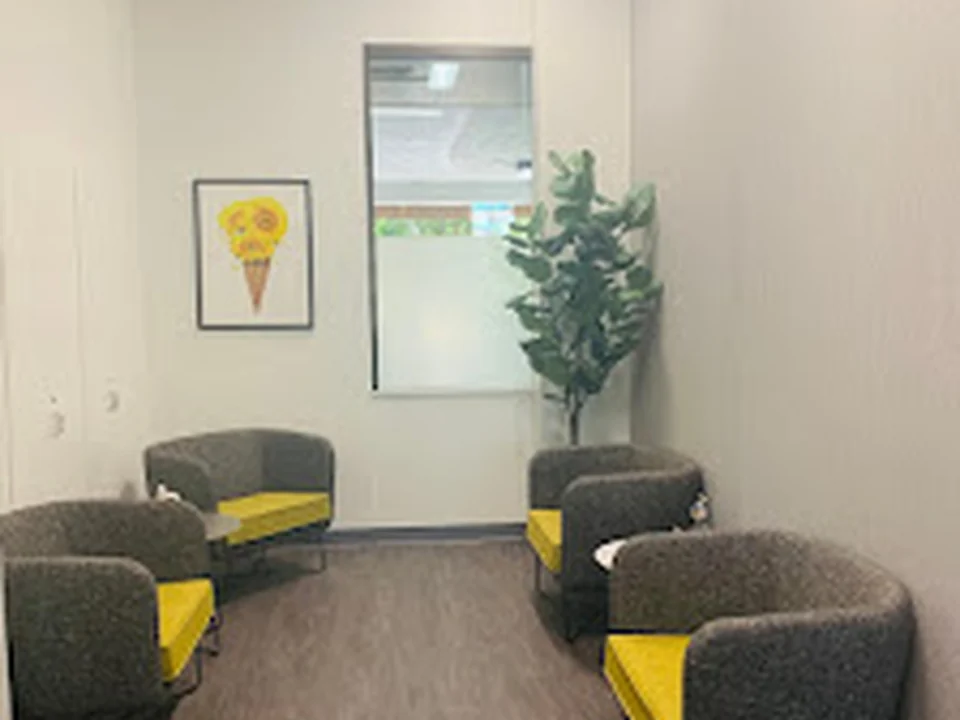
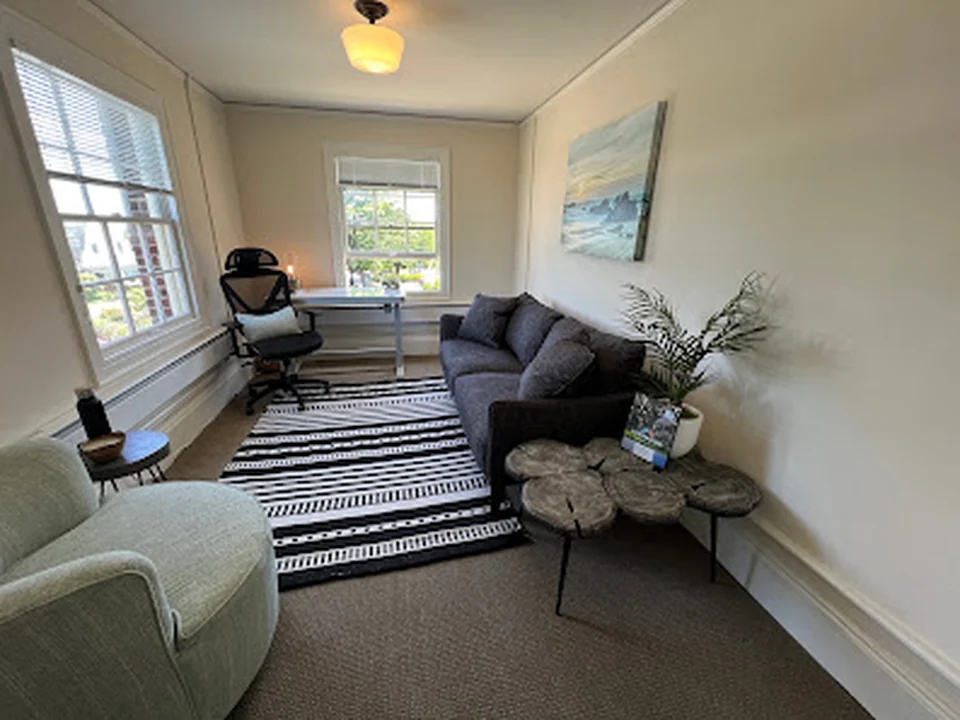
Klinic Medical, PLLC brings addiction treatment into a broader medical setting in Seattle, with care spanning substance use, mental health, psychiatry, and related health concerns. Its approach centers on accessible specialist care, clear explanations, realistic goals, and a respectful tone that avoids judgment.

The online process is designed to keep intake straightforward, with responsive coordination, reminders, and flexible scheduling. Patients preparing for a first consultation may appreciate the emphasis on explaining how treatment works and helping with the practical steps that follow. Appointments are recommended.
What stands out
  • Accessible specialist addiction care

  • Clear, realistic treatment guidance

Northpoint Recovery – Seattle Outpatient #2

Northpoint Recovery – Seattle Outpatient

4.8367 reviews
2111 N Northgate Way #101, Seattle, WA 98133, United States
Best for
Adults seeking Seattle outpatient recovery support

Northpoint Recovery’s Seattle outpatient program focuses on drug and alcohol treatment for people who want structured support while remaining connected to daily life. Its care includes evidence-based treatment for substance use and co-occurring concerns such as anxiety, depression, trauma, and PTSD.

The multidisciplinary team uses a compassionate, trauma-informed approach, combining counseling, clinical guidance, and practical recovery tools. Intake coordinators and counselors help shape a treatment pathway around individual needs, while the program’s welcoming group environment can add accountability and connection. The Seattle location is particularly relevant for outpatient and intensive outpatient care.

What stands out
  • Integrated dual-diagnosis outpatient care

23rd & Cherry Fellowship Hall #3

23rd & Cherry Fellowship Hall

4.7168 reviews
2701E E Cherry St, Seattle, WA 98122, United States
Best for
People seeking AA or NA meetingsVisitors needing a sober meeting space

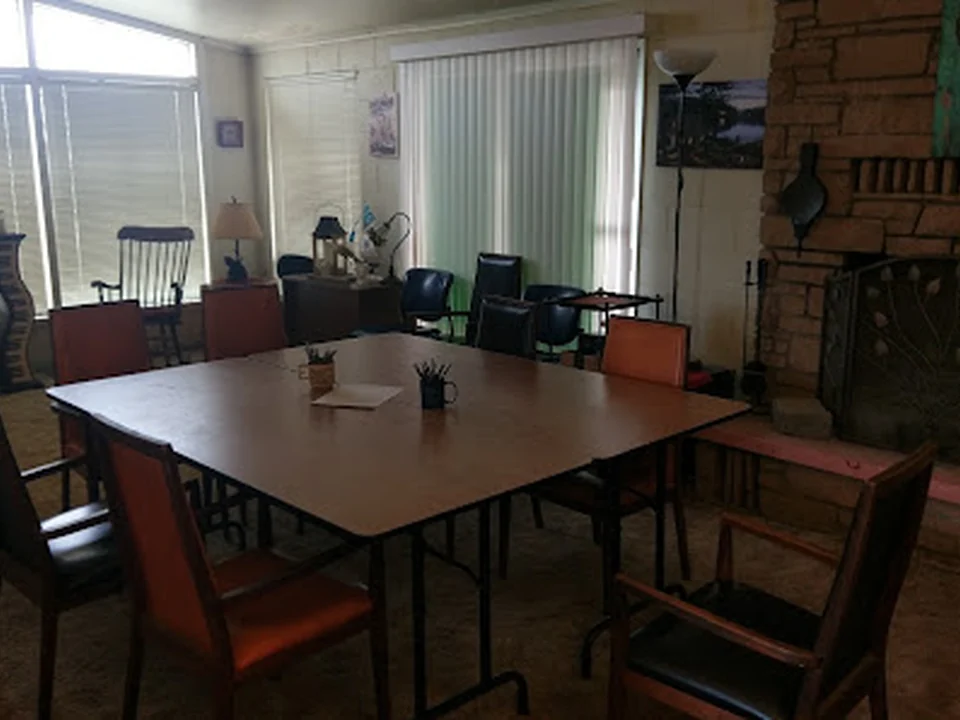
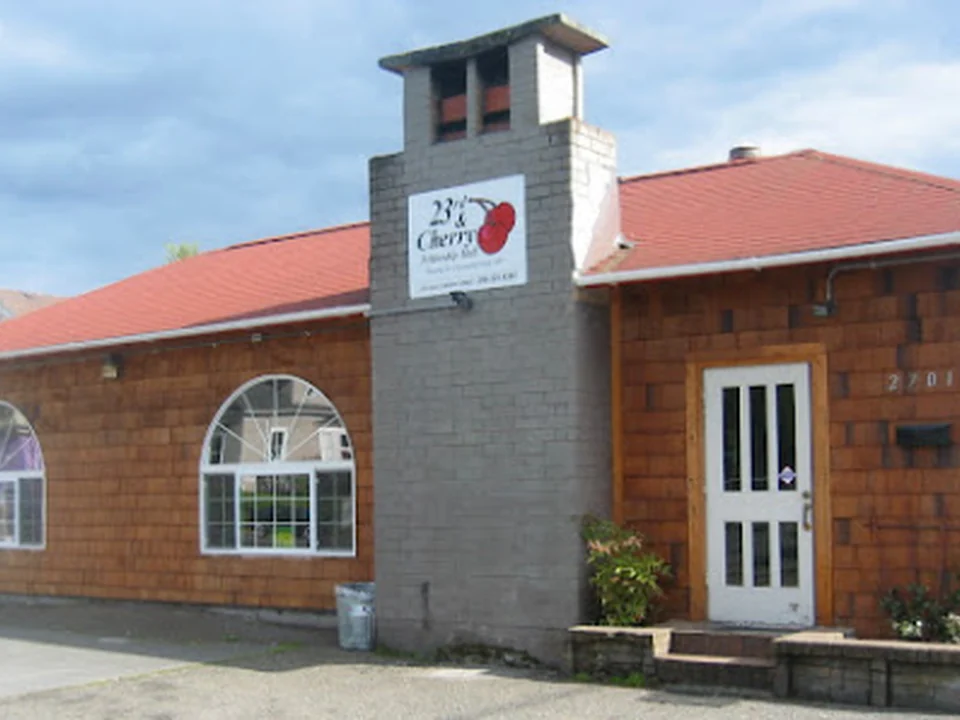
23rd & Cherry Fellowship Hall is a Seattle recovery meeting space built around a clean, sober, community-oriented environment. It provides a home for recovery groups and offers a culturally rooted setting in Seattle’s Central Area, with a long-standing emphasis on supporting people pursuing alcohol- and drug-free lives.

Most meetings are available in hybrid format, combining in-person attendance with Zoom participation. The hall is recognized for its welcoming energy, diverse recovery community, newcomer focus, and practical touches such as a small café serving coffee, sandwiches, and pastries. LGBTQ+ friendly and transgender-safe-space attributes add to its inclusive positioning.

What stands out
  • Hybrid meetings with cultural roots

  • Newcomer-focused recovery community

Lakeside-Milam Drug & Alcohol Rehab of Seattle #4

Lakeside-Milam Drug & Alcohol Rehab of Seattle

4.751 reviews
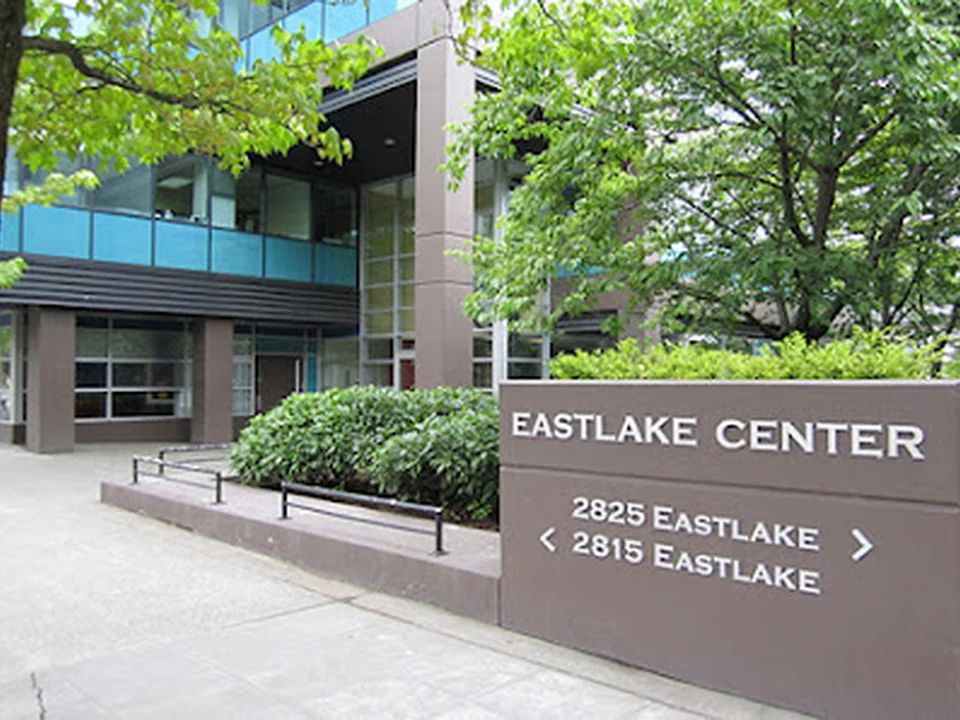
2815 Eastlake Ave E #100, Seattle, WA 98102, United States
Best for
People seeking PHP or IOP treatmentThose transitioning from residential care

Lakeside-Milam Drug & Alcohol Rehab of Seattle provides outpatient drug and alcohol treatment with flexible PHP, IOP, counseling, and mental health support. The program is designed for people who need structured recovery care while continuing to live in the community, including those transitioning from inpatient treatment.

Its style combines attentive counseling with direct, practical education, accountability, peer connection, and longer-term support. The team also provides intervention services and can coordinate care with medication-assisted treatment prescribers and community providers when appropriate. LGBTQ+ friendly and transgender-safe-space attributes reinforce an inclusive setting.

What stands out
  • Flexible outpatient recovery pathways

Lakeside-Milam Recovery Centers’ Kirkland Inpatient Residential Program #5

Lakeside-Milam Recovery Centers’ Kirkland Inpatient Residential Program

4.3208 reviews
10322 NE 132nd St, Kirkland, WA 98034, United States
Best for
People seeking structured residential treatmentThose needing a step beyond outpatient care

Lakeside-Milam’s Kirkland Inpatient Residential Program provides residential alcohol and drug rehabilitation near Seattle, with a structured setting for people who need concentrated support away from everyday triggers. The program combines clinical education, group work, counseling, and practical recovery tools within a residential stay.

A welcoming environment, knowledgeable staff, and ongoing support are central to the experience. The wider Lakeside-Milam network also connects residential care with outpatient treatment, intervention services, assessments, and longer-term recovery planning. The program’s LGBTQ+ friendly and transgender-safe-space attributes contribute to an inclusive setting.

What stands out
  • Residential care near Seattle

  • Links inpatient and continuing support

Evergreen Treatment Services - South King County Clinic #6

Evergreen Treatment Services - South King County Clinic

4.739 reviews
1412 SW 43rd St #140, Renton, WA 98057, United States
Best for
People seeking opioid use disorder treatmentPatients needing linked social support

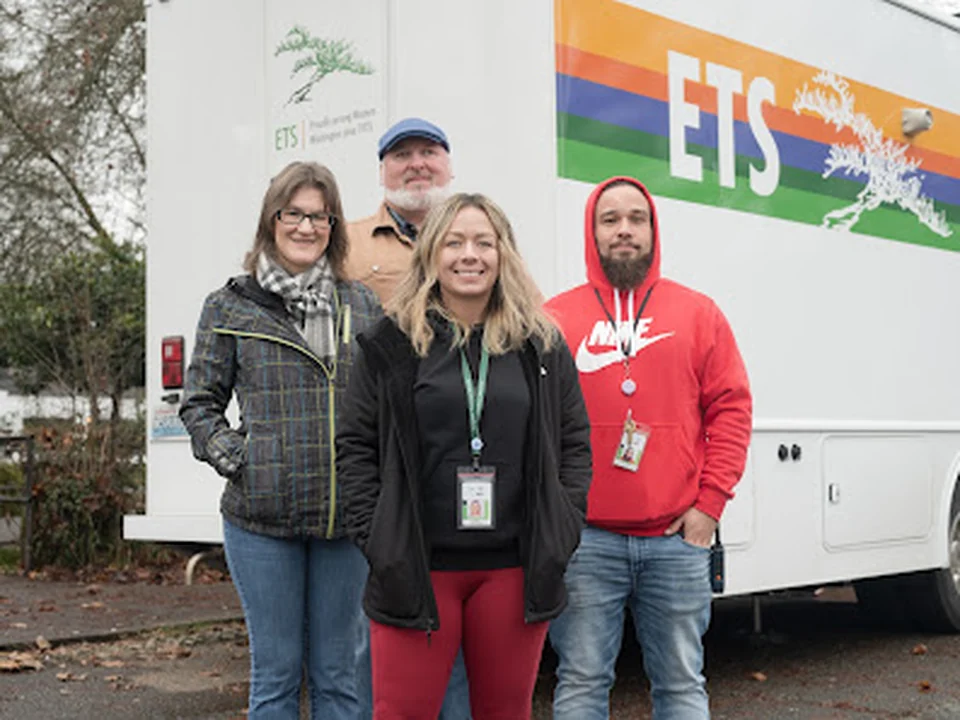
Evergreen Treatment Services’ South King County Clinic provides medication-assisted treatment for opioid use disorder, pairing methadone or buprenorphine with counseling and medical support. The model is designed to address recovery as more than medication alone, with referrals for mental and primary health care, housing assistance, and relationship-centered outreach.

The clinic emphasizes a steady, person-centered path through treatment, supported by counselors and staff who understand the challenges of addiction. Its inclusive setting welcomes LGBTQ+ and transgender patients, while on-site services make it easier to connect clinical care with broader recovery resources.

What stands out
  • Medication plus wraparound recovery support

Agape Unlimited #7

Agape Unlimited

4.392 reviews
4841 Auto Center Way #101, Bremerton, WA 98312, United States

Agape Unlimited provides outpatient chemical dependency treatment for youth and adults, alongside supportive services for people working toward stability and recovery. Its counselors focus on practical skills, direct conversation, and a respectful environment that looks beyond past mistakes.

The organization also connects substance use treatment with co-occurring mental health care through its A.I.M.S. program. Flexible support, assistance with required treatment programs, and attention to individual circumstances make Agape relevant for people seeking a community-based outpatient pathway.

What stands out
  • Outpatient care with mental health links

Sunrise Centers | Chemical Dependency Treatment #8

Sunrise Centers | Chemical Dependency Treatment

518 reviews
12650 1st Ave S, Burien, WA 98168, United States

Sunrise Centers provides outpatient chemical dependency treatment in the Seattle area through a small-agency model built around personal attention. Its program uses Life Skills CBT, an accountability-focused approach that helps participants examine patterns, build practical skills, and take an active role in recovery.

The process is presented in straightforward terms, from assessment through treatment, with staff who listen carefully and explain options clearly. Flexible appointments and financing options are part of the service model, making Sunrise relevant for people who want a direct, individualized starting point rather than a highly institutional setting.

What stands out
  • Life-skills-focused CBT approach

Sound Integrated Health #9

Sound Integrated Health

4.822 reviews
131 SW 156th St Ste 100, Burien, WA 98166, United States
Best for
People needing addiction and mental health carePatients exploring medication-assisted treatment

Sound Integrated Health provides a broad behavioral health pathway in Seattle, combining substance use counseling, medication-assisted treatment, psychiatric medication management, assessments, and mental health care. The integrated model is intended to connect addiction treatment with the clinical needs that can accompany it.

Its team presents a low-barrier, confidential environment with a calm, welcoming atmosphere and practical support for people at different stages of recovery. Structured counseling addresses accountability, education, relapse prevention, and the skills needed for sustained progress, while primary care and psychiatric services add continuity.

What stands out
  • Integrated addiction and behavioral health

  • Low-barrier confidential treatment

Serenity Hall A.A./Recovery Hall - 12 step meeting space #10

Serenity Hall A.A./Recovery Hall - 12 step meeting space

4.249 reviews
12536 Renton Ave S, Seattle, WA 98178, United States

Serenity Hall A.A./Recovery Hall is a Seattle 12-step meeting space centered on peer support, sober community, and a welcoming place to keep returning to recovery. Its atmosphere is described as clean, supportive, and open to people looking for encouragement, connection, and practical fellowship.

What stands out
  • Peer-led sober support space

Evergreen Treatment Services - Interim Seattle Clinic #11

Evergreen Treatment Services - Interim Seattle Clinic

4.2455 reviews
317 S Bennett St, Seattle, WA 98108, United States
Best for
People seeking opioid treatmentPatients needing outreach-linked support

Evergreen Treatment Services’ Interim Seattle Clinic provides substance use treatment and recovery support through medication-based care, counseling, classes, and connections to wider community resources. Its work is especially relevant to people with opioid use disorder and those who may also need housing, health care, or outreach assistance.

The clinic takes a relationship-centered, healing-focused approach, with medical, administrative, and peer-support staff working to make treatment feel approachable. LGBTQ+ friendly and transgender-safe-space attributes reinforce an inclusive setting, while on-site services support continuity between treatment and practical recovery needs.

What stands out
  • Medication and community support

  • Healing-centered, inclusive treatment

Intervention Help, LLC #12

Intervention Help, LLC

4.834 reviews
2120 1st Ave N, Seattle, WA 98109, United States
Best for
Families planning a structured intervention

Intervention Help, LLC is a Seattle-based counselor specializing in interventions and concierge recovery support for individuals and families facing complex substance use situations. The service begins with trust and extends beyond the intervention itself through case management, family coaching, crisis support, and practical coordination.

A notable strength is the attention given to logistics: the team can help connect someone with an appropriate treatment program, maintain communication with family members, and support transportation to treatment or home. Weekly case-management contact and tailored accountability add continuity when a family needs guidance through several stages of recovery.

What stands out
  • Intervention with continuing case management

New Traditions #13

New Traditions

4.614 reviews
9045 16th Ave SW, Seattle, WA 98106, United States

New Traditions provides substance use treatment in Seattle with a strong focus on women’s recovery and supportive, nonjudgmental care. Individual counseling is tailored to each person’s goals and stage of recovery, while aftercare helps carry progress into everyday life.

The program also supports women affected by pregnancy, parenting, chemical dependency, and social or racial barriers to treatment. Its pathway can include intensive outpatient or residential treatment followed by outpatient care and aftercare, giving participants a structured route with room for continued support.

What stands out
  • Women-focused recovery programming

  • Aftercare beyond structured treatment

Northbound Treatment Services | Seattle Addiction Treatment Center #14

Northbound Treatment Services | Seattle Addiction Treatment Center

59 reviews
2120 1st Ave N #313, Seattle, WA 98109, United States
Best for
People comparing detox and residential pathways

Northbound’s Seattle center serves as an entry point for addiction treatment, with clinical assessments, family support, alumni programming, and alternative-sentencing services. The wider treatment pathway includes detox, residential care, and intensive outpatient treatment, giving people options matched to their level of need.

The program is particularly attentive to the transition between treatment stages. Intake staff help make admissions manageable, while therapists, case managers, and recovery instructors provide structured guidance, practical tools, and continued connection after discharge. LGBTQ+ friendly and transgender-safe-space attributes add to the center’s inclusive positioning.

What stands out
  • Seattle gateway to broader treatment

  • Family and alumni support included

Matt Talbot Center #15

Matt Talbot Center

4.810 reviews
2313 3rd Ave, Seattle, WA 98121, United States
Best for
Adults needing treatment with housing support

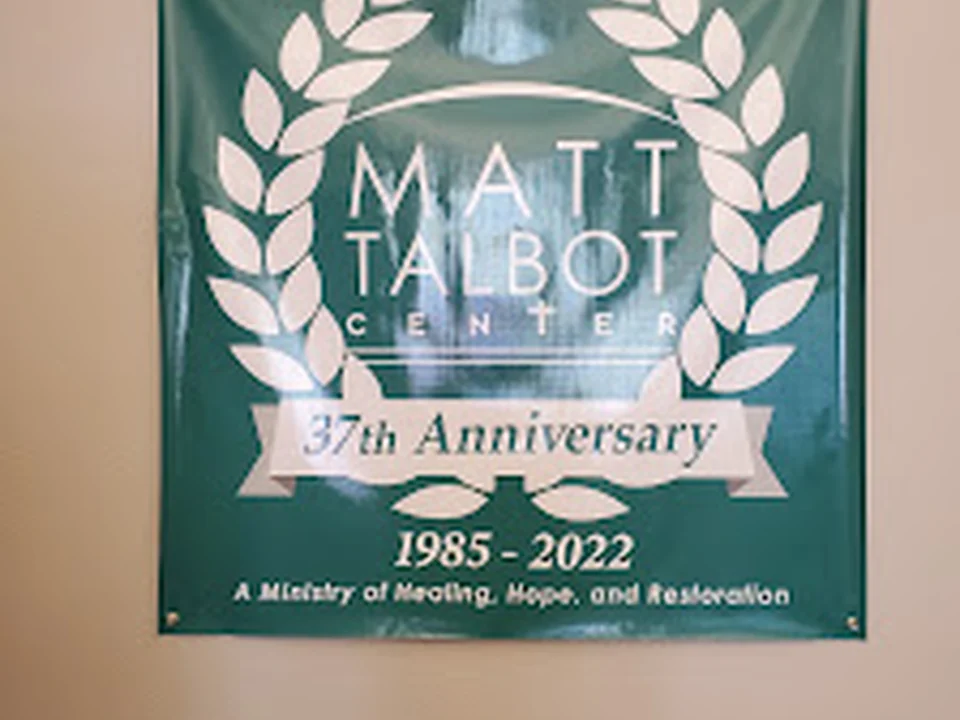
Matt Talbot Center is a nonprofit Seattle program offering intensive outpatient substance use disorder treatment alongside housing, health, mental health, and other wraparound support. Its holistic model is designed for adults who want a structured route toward sobriety while addressing the practical conditions that affect recovery.

Treatment is organized into three four-month phases, though participants may take longer when needed. Counseling is individualized and complemented by specialized mental health care, peer support, and long-term recovery planning. The program’s compassionate, community-based approach makes it relevant for people experiencing substance use disorder, homelessness, or mental health challenges.

What stands out
  • Three-phase outpatient recovery program

Do you run a business?

Find your business to manage its listing and view visibility options. If it is not listed yet, you can request a free review for inclusion.

Manage or add my business

Map of addiction treatment centers in Seattle

The listed options do not include verified neighborhood information, and one residential program is identified in Kirkland rather than Seattle. Compare the actual care setting and travel implications instead of assuming that every option serves the same local area.

For outpatient or meeting-based support, calculate the travel time for repeated visits and ask whether hybrid attendance is available. For residential or step-down care, confirm transport arrangements, admission timing, and how transitions between levels of care are coordinated.

Use it alongside the full selection: location, travel time, and nearby alternatives often affect the final decision.

Support options to explore

  • Telehealth addiction treatmentAsk about remote assessments and ongoing treatment for people who need a more flexible way to begin care.
  • Outpatient recovery supportCompare structured outpatient services for adults who need treatment while continuing to manage home, work, or community responsibilities.
  • PHP and IOP programsExplore partial hospitalization or intensive outpatient care when standard outpatient support is not enough but residential care may not be required.
  • Residential treatmentLook for structured inpatient programs and clarify who they serve, how admission works, and what continuing care follows discharge.
  • Opioid use disorder treatmentAsk about treatment for opioid use disorder, medication support where appropriate, and links to wider social services.
  • AA and NA meetingsFind peer-support meetings and sober meeting spaces, including options that may allow hybrid attendance.
  • Family intervention guidanceSeek support for families planning an intervention and ask whether guidance covers preparation, communication, and referral options.

How to assess a treatment option

  1. Identify the care level: Ask whether the provider recommends outpatient, intensive outpatient, partial hospitalization, or residential care after an assessment.
  2. Check mental health coordination: If anxiety, depression, trauma, or another concern is also present, ask who coordinates mental health treatment and how information is shared.
  3. Clarify medication support: For opioid or other substance-use concerns, ask which medications, medical reviews, and monitoring arrangements are available.
  4. Ask about the first step: Confirm whether the process begins with a phone screening, telehealth visit, in-person assessment, referral, or eligibility review.
  5. Plan continuity after treatment: Ask what happens after residential or intensive care, including outpatient referrals, peer support, family involvement, and relapse-prevention planning.
  6. Verify meeting access: For AA or NA support, confirm the meeting schedule, format, sobriety expectations, and whether online participation is currently offered.

Frequently asked questions

Can addiction treatment begin through telehealth?

Some providers offer telehealth addiction treatment and coordinated mental health support. Ask whether the first assessment, follow-up visits, medication management, and referrals can all be handled remotely or whether any in-person appointments are required.

What is the difference between PHP, IOP, and outpatient care?

These levels generally differ in intensity and time commitment. PHP usually involves more structured daytime care, IOP provides several scheduled treatment sessions, and outpatient care is less intensive.

A provider should assess which level fits the person’s needs.

How can families start an intervention conversation?

Begin by asking a treatment provider whether it offers intervention guidance and what preparation is expected. A qualified team can help families plan communication, understand boundaries, and identify realistic treatment or evaluation pathways.

Are peer meetings the same as formal treatment?

AA and NA meetings provide peer support and a sober community, but they are not automatically a substitute for medical or clinical treatment. Ask whether a meeting is open to visitors and seek professional assessment when withdrawal, medical risk, or severe distress is involved.

Related guides