Frequently asked questions
Which orthodontic treatment may suit adults?
Adults commonly compare Invisalign with braces, especially when discretion matters or restorative work is being planned. The suitable route depends on the movement required and the condition of the teeth.
Ask for a side-by-side explanation rather than choosing from appearance alone.
When should children have an orthodontic consultation?
A consultation can help clarify whether early or growth-focused care is useful and whether monitoring is more appropriate at that stage.
Ask what the orthodontist is watching, when reassessment would occur and what signs would change the plan.
How often will orthodontic appointments be needed?
The schedule varies by treatment type, stage and patient needs. Braces and aligners both require planned monitoring and possible adjustments.
Ask for the expected visit pattern, appointment length and procedure for urgent concerns before starting.
Can an orthodontist compare Invisalign and braces?
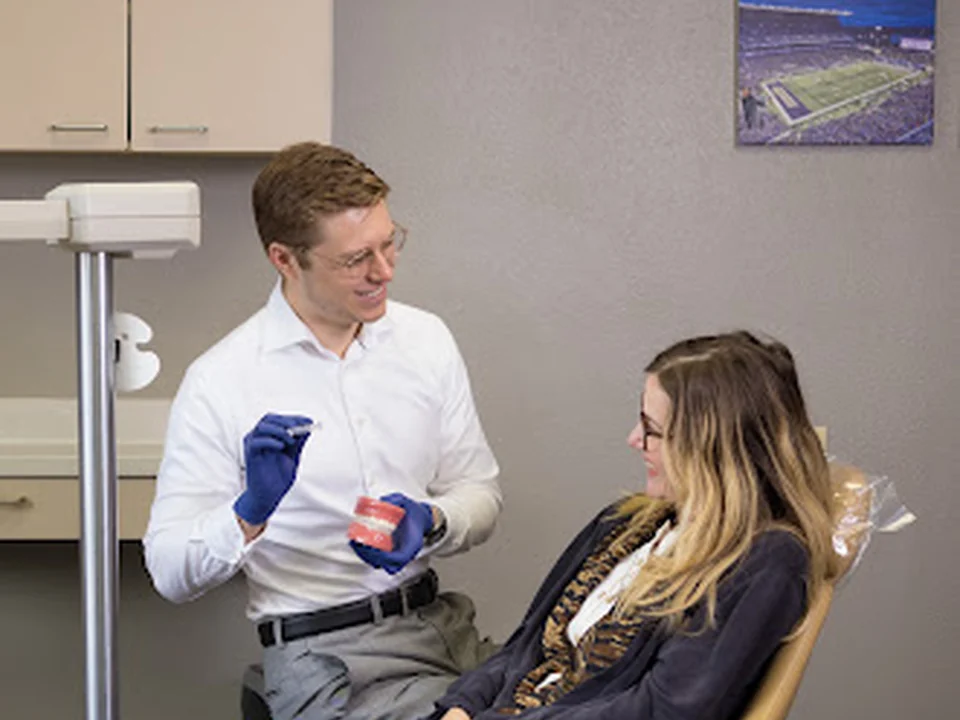
Yes, a consultation should explain how each option addresses the patient’s specific alignment needs, including practical differences in wear, care and follow-up.
Request the reasons behind the recommendation and ask what responsibilities fall to the patient.
What should families ask when comparing orthodontists?
Ask how the practice handles children, teens and adults, whether treatment plans are explained separately and how follow-up is organized.
For multiple children, also ask whether visits can be coordinated and how each child’s plan will be kept distinct.
 #1