Frequently asked questions
Which Seattle university format suits a working student?
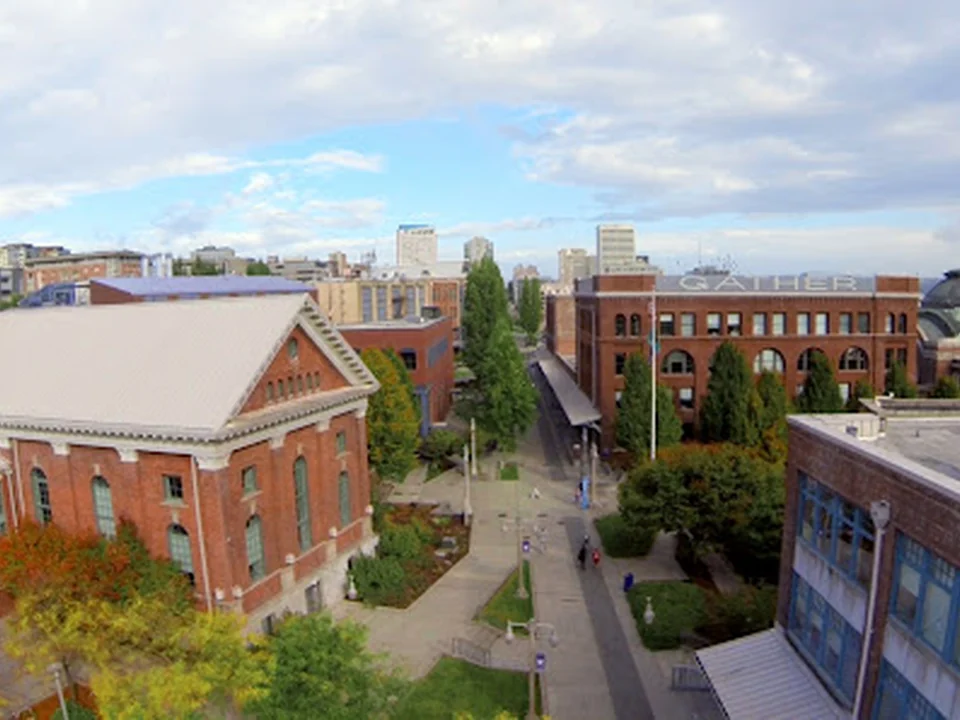
Start with institutions offering a compact urban campus or a study structure that can fit around employment. Ask directly about class scheduling, attendance expectations, and the timing of required activities rather than relying only on the program title.
How should adults returning to education begin comparing options?
Begin by identifying the qualification and weekly study time you can realistically manage. Then ask about entry requirements, transfer or prior-learning policies, advising, and the support available during the first term back in education.
What is the difference between a broad university and a focused technical program?
A broad university can offer wider subject exploration and multiple academic routes. A focused technical program is usually more concentrated around a defined career direction, so compare the curriculum, practical requirements, and next step after completion.
Should applicants compare the different University of Washington campuses?
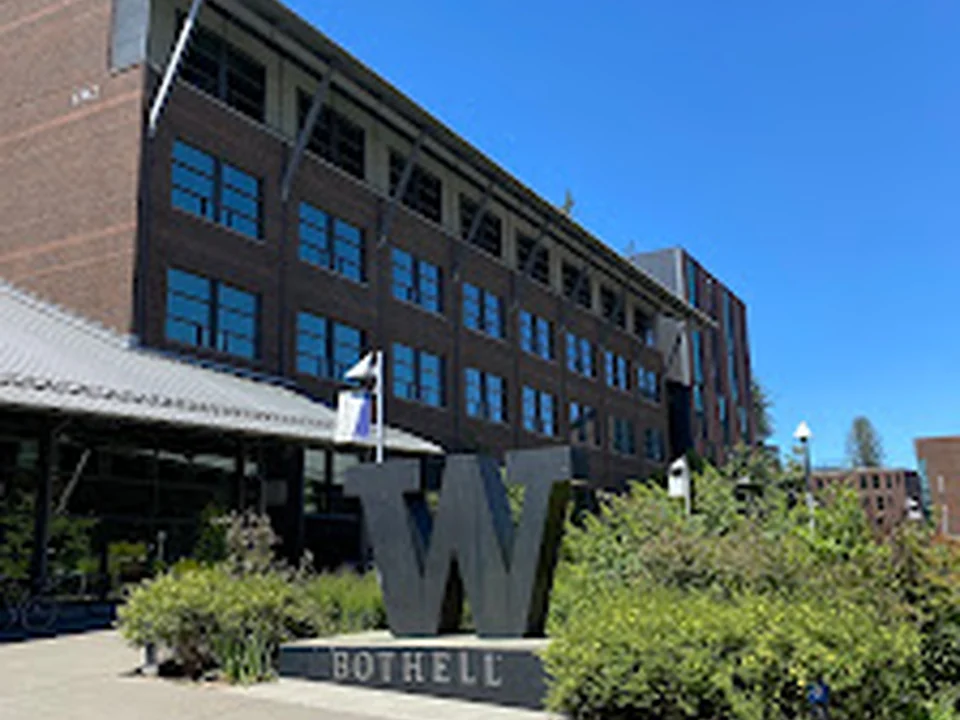
Yes, when campus environment and program structure matter to the decision. Compare the specific degree, daily commute, class setting, student services, and the kind of campus community each location provides instead of treating them as interchangeable.
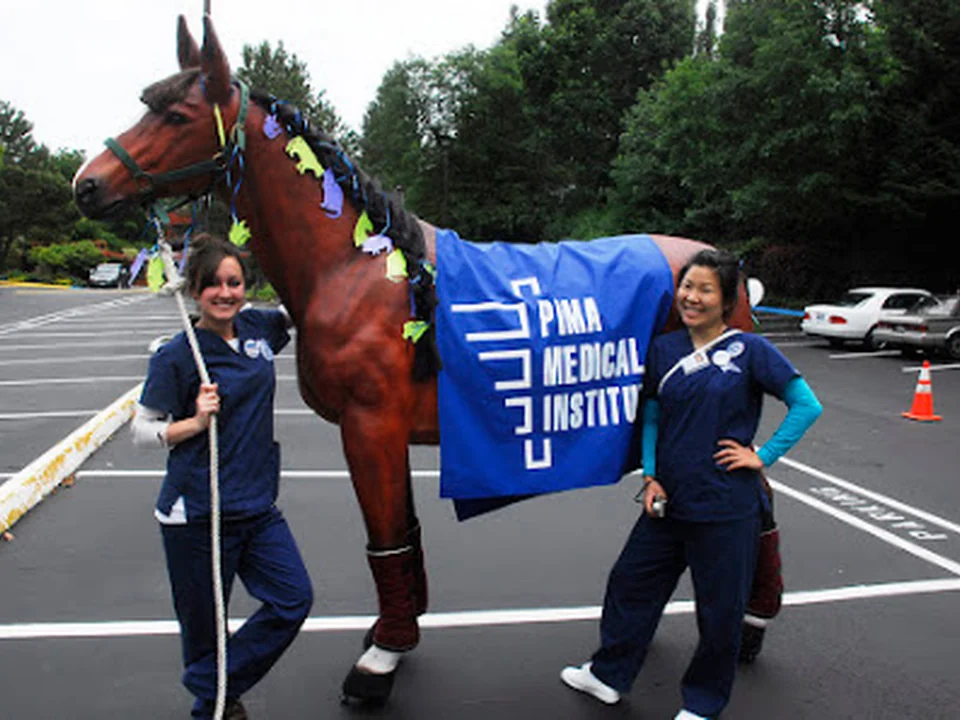
What should I ask about an allied-health program?
Ask which practical skills are taught, how hands-on learning is scheduled, what equipment or placements are involved, and what admission documents are required. Also clarify the expected pace so the program matches your work and family responsibilities.
 #1