Frequently asked questions
What is the difference between rehabilitation and long-term nursing care?
Rehabilitation usually focuses on measurable recovery after hospitalization or surgery, with therapy and discharge goals. Long-term nursing care is designed for ongoing medical and daily support when returning home is not yet possible or may not be appropriate.
Ask each facility which length of stay it is prepared to support.
How quickly can a skilled nursing placement happen?
Timing depends on current openings, the person's medical needs, required records, authorization, and the facility's assessment process. Urgent cases should be explained clearly when families first call.
Request a checklist of documents and the next decision point so the search does not stall.
What should families ask about dementia care?
Ask about supervision, daily routines, staff training, responses to confusion or distress, safety measures, and communication with relatives. The environment should fit the person's abilities and changing needs.
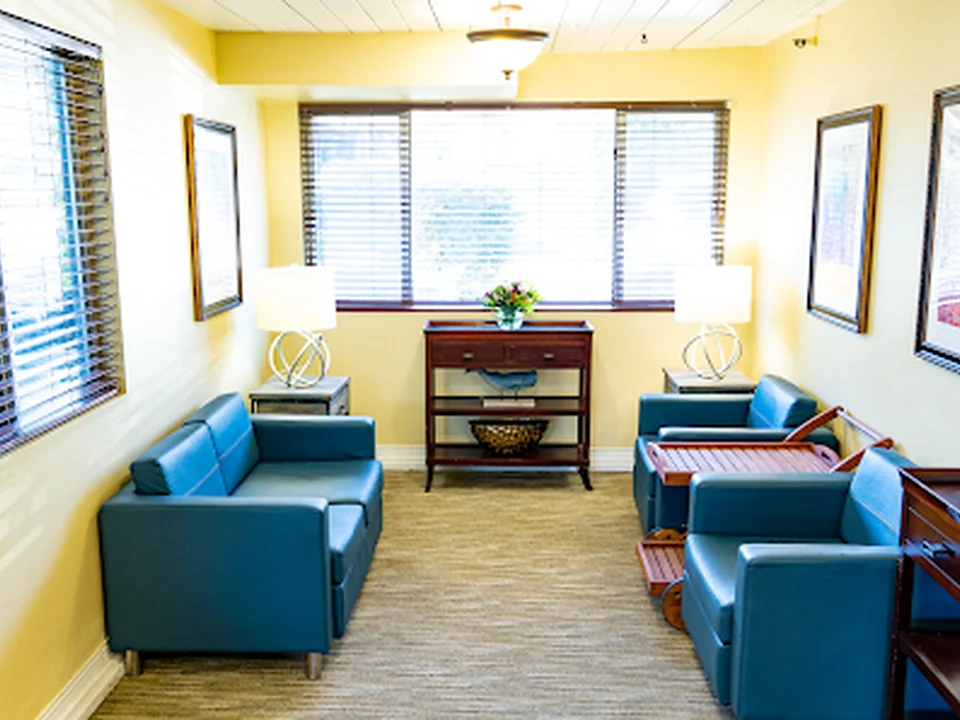
A visit can also reveal whether the setting feels calm, organized, and suitable for memory-related care.
Can family members receive regular care updates?
Communication practices vary, so ask who serves as the family contact, how often updates are provided, and how changes in condition or treatment are reported.
Also clarify how families participate in care planning, therapy reviews, and discharge decisions.
Are smaller residential care settings available?
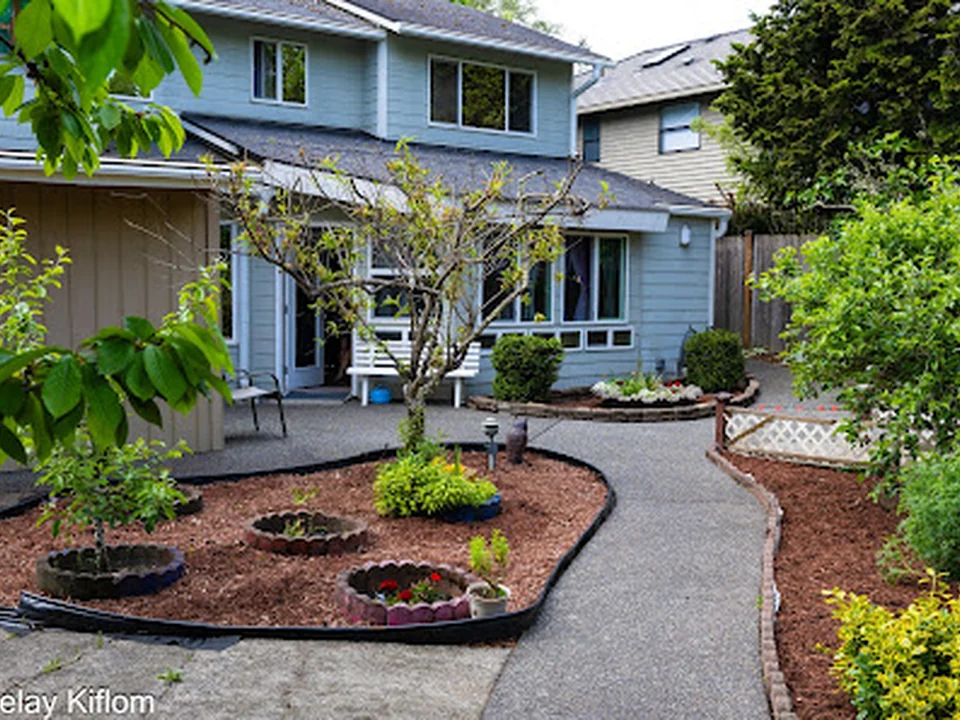
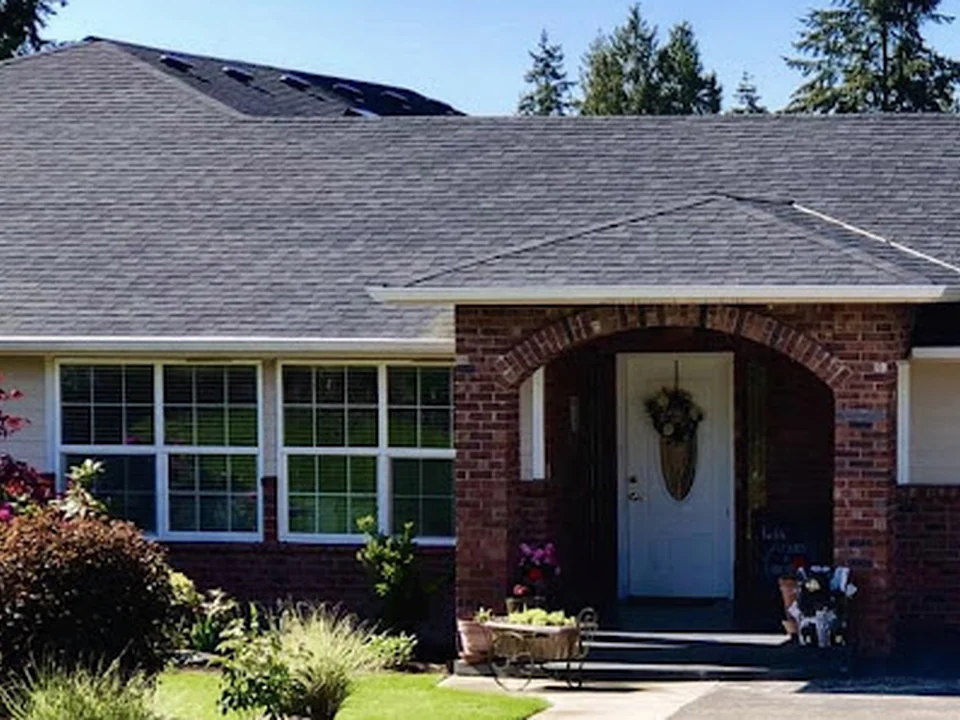
Adult family homes offer a smaller, more intimate residential model than a larger nursing center. They may suit people seeking home-like surroundings, but the available clinical support and admission criteria must be checked directly.
Ask how staffing and outside medical services cover the person's needs.
 #1