 #1
What stands out
Surgical and conservative spine guidance
Seattle Spine Surgery
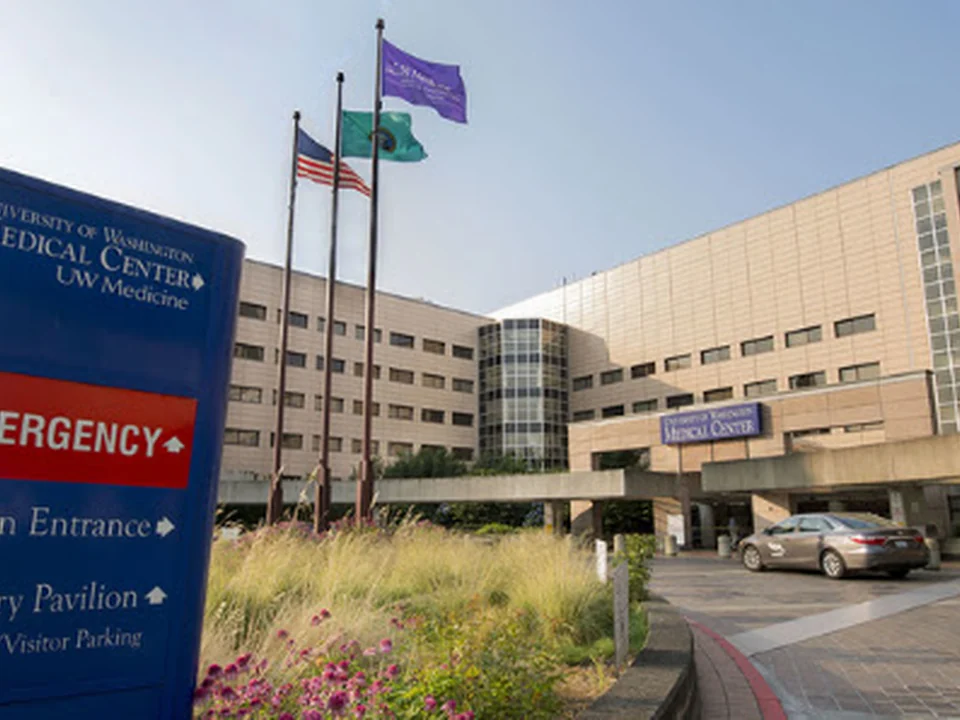
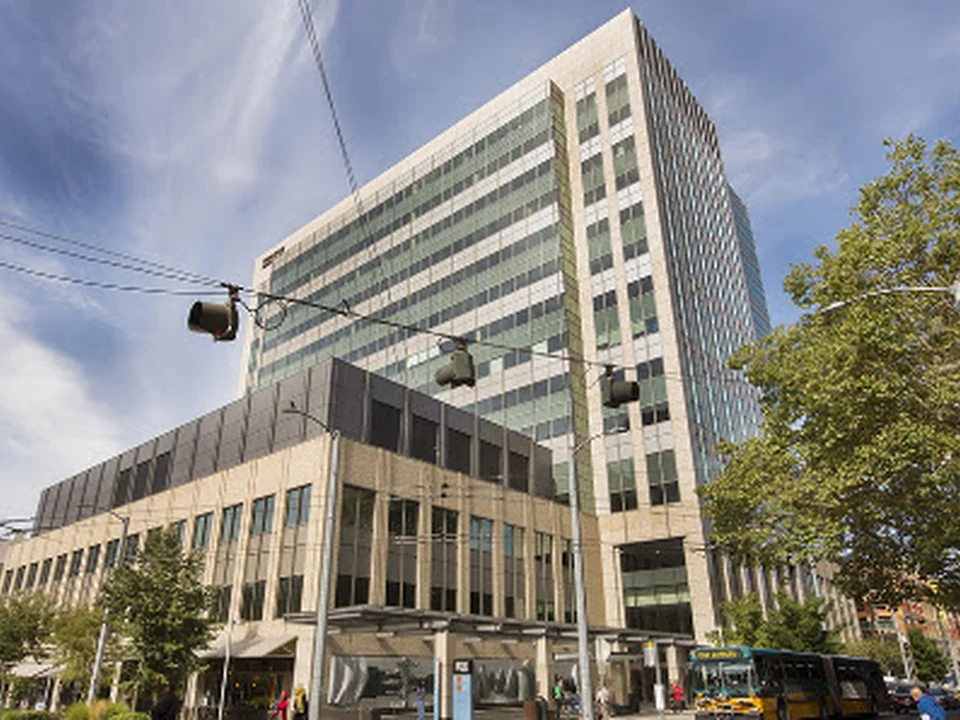
Seattle Spine Surgery is a Seattle medical clinic focused on surgical and nonsurgical evaluation of back and neck conditions . Its consultations place strong emphasis on reviewing medical history and imaging, explaining the difference between nerves and the spinal cord, and discussing treatment options that may include conservative care rather than surgery.
The practice also supports second opinions and provides procedure-specific guidance for postoperative recovery. Patients seeking care for complex or longstanding spine problems can expect a structured process from assessment through follow-up. Appointments are required and should be arranged in advance.