Menu

7 Best Landmarks in Seattle

Seattle landmarks reward different kinds of curiosity: families can watch engineering and wildlife, history-minded visitors can follow architecture, and transit travelers can add a compact sightseeing stop. The city’s list includes maritime locations, historic structures, public works, and distinctive individual sites.

Choose by the story you want to experience and how much time you have. Check access, walking conditions, and any reservation or timing requirement before building a landmark into a busy day.

How this guide is ordered

A reputation that holds up over time, real focus on this service and a clear account of how they work: that is how this guide to landmarks in Seattle was built and ordered.

Featured positions are clearly marked and only offered to businesses that already earned their place in the guide.

Top 3Full listMapHow to choose

Compare 7 local options

Ballard Locks Fish Ladder, Seattle#1
What stands out
  • Underwater salmon viewing gallery

  • Boats, locks and wildlife together

Ballard Locks Fish Ladder

4.73,588 reviews
2930 W Commodore Way, Seattle, WA 98199, United States
Best for
Families curious about engineeringWildlife and maritime sightseeing

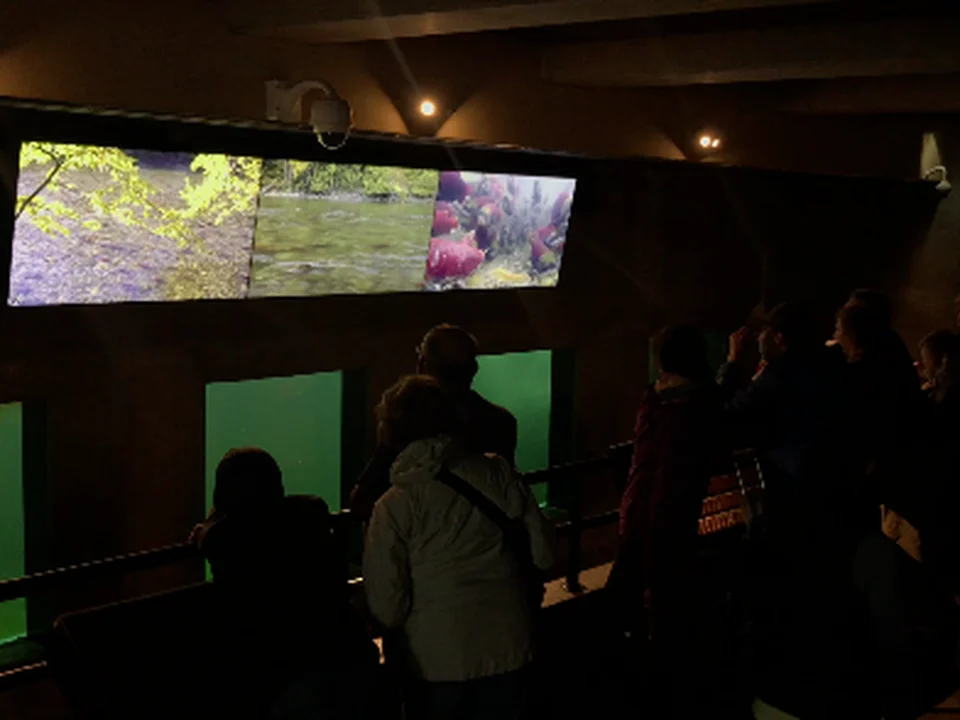
Ballard Locks Fish Ladder brings together working maritime infrastructure, salmon viewing and landscaped grounds in a single Seattle attraction. Visitors can watch boats move through the locks, observe water levels changing for channel crossings and look through the underwater gallery for fish passing along the ladder. Birds, sea lions and surrounding botanical areas add interest beyond the main viewing points.

The mix of engineering and wildlife makes it rewarding for both adults and children, with toilets and parking available on site. Free self-guided material can add context to a visit, while scheduled tours may vary by season or staffing.

Waiting For The Interurban, Seattle#2
What stands out
  • Quirky Fremont streetcar tribute

Waiting For The Interurban

4.551 reviews
601 N 34th St suite b, Seattle, WA 98103, United States

Waiting For The Interurban is a playful historical sculpture in Seattle’s Fremont neighborhood, commemorating the early streetcar line that once ran through the area. The figures are frequently decorated for birthdays, weddings and other celebrations, giving this small landmark a changing, informal character.

It is best approached as one stop on a Fremont art walk, particularly alongside the neighborhood’s other distinctive public artworks. The sculpture is free to see and does not require a lengthy visit, though its traffic-island setting makes careful orientation important.

Union Station, Seattle#3
What stands out
  • Restored grand central hall

  • Distinctive historic architecture

Union Station

4.3383 reviews
401 S Jackson St, Seattle, WA 98104, United States
Best for
Architecture and history walksTransit travelers adding sightseeing

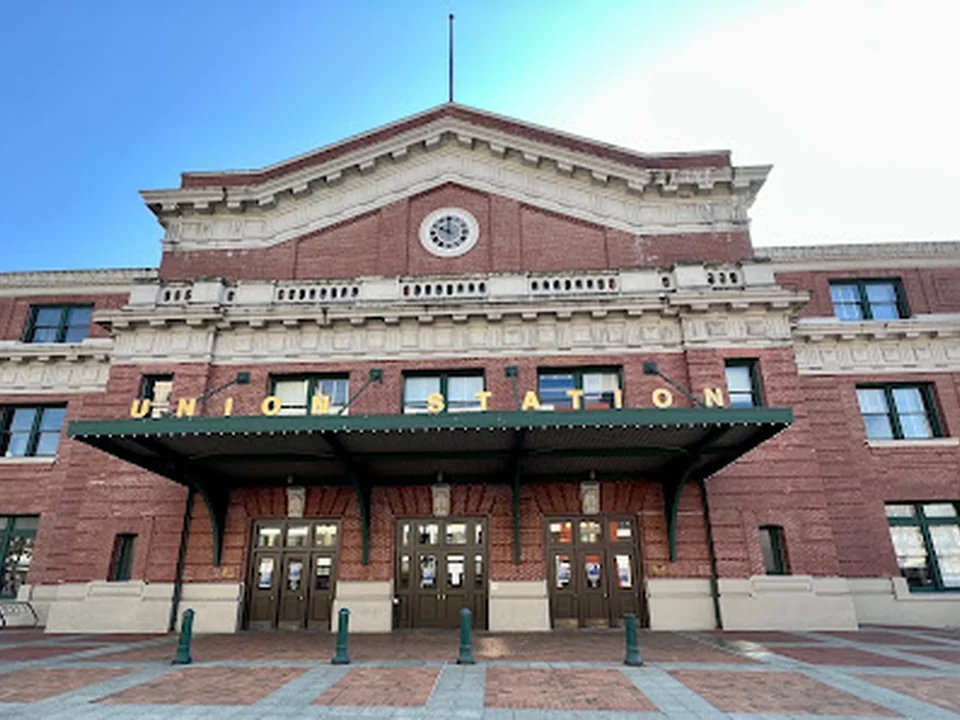
Seattle’s Union Station is a restored historic landmark with high ceilings, bright natural light and a grand central hall that preserves the character of an earlier era. Its clean, organized interior and distinctive architecture make it worthwhile even for visitors not using the building for transit, while the spacious hall can serve as a convenient meeting point or brief urban stop.

The building’s history and restoration are the main draw rather than a large program of attractions. Advance planning is useful when the visit is tied to a ticketed event or scheduled transit, but the landmark itself offers a straightforward architectural pause in downtown Seattle.

Alki Point Lighthouse, Seattle#4
What stands out
  • Maritime landmark beside Alki Beach

  • Historic lighthouse equipment

Alki Point Lighthouse

4.3283 reviews
3201 Alki Ave SW, Seattle, WA 98116, United States

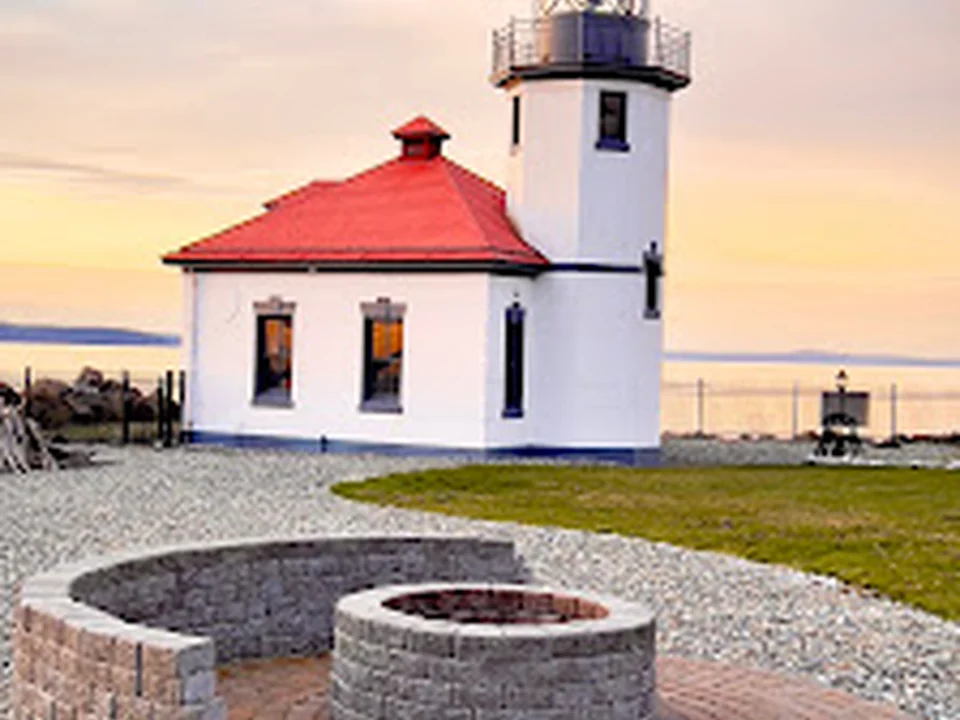
Alki Point Lighthouse is a small, characterful landmark on Seattle’s West Seattle waterfront, set beside the beach with views across Elliott Bay. The lighthouse grounds and preserved equipment add a tangible sense of maritime history, while the surrounding shoreline makes the visit easy to pair with a beach walk.

Access inside the lighthouse depends on scheduled tours, so this is a destination that rewards advance planning. When the interior is unavailable, the nearby beach still provides a worthwhile exterior view and a scenic setting.

Lincoln Reservoir, Seattle#5
What stands out
  • Playful reservoir-park water design

Lincoln Reservoir

4.315 reviews
1800-1898 Nagle Pl, Seattle, WA 98122, United States

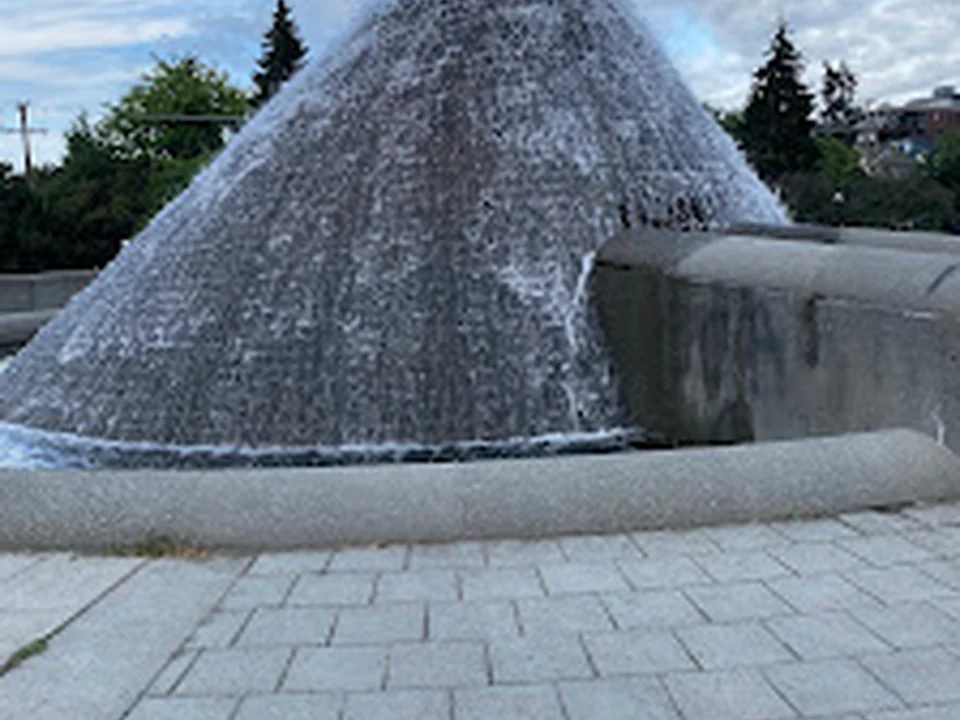
Lincoln Reservoir is a distinctive piece of Seattle’s urban landscape, now integrated into Cal Anderson Park rather than functioning as an open water reservoir. Its playful fountain and rapids-like sections invite children to interact with the design, while stepping stones create an entertaining challenge for visitors of different ages.

The landmark works best as part of a park visit, with nearby sports courts and open space adding options for a longer stop. Families planning a summer outing should expect the water feature to be the main draw and check conditions before setting out.

Giant Sequoia, Seattle#6

Giant Sequoia

4.315 reviews
Seattle, WA 98199, United States

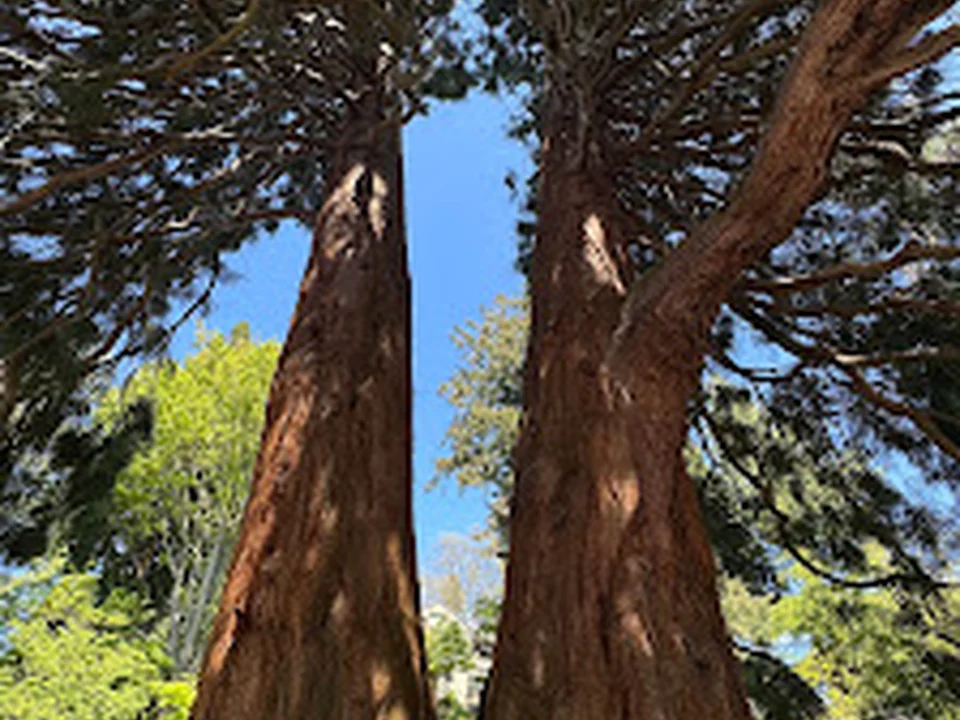
Giant Sequoia is a striking historical landmark that brings the presence of a towering heritage tree into Seattle’s residential landscape. Its size and rarity make it a memorable detour for visitors interested in remarkable urban trees, especially when paired with a neighborhood walk.

This is a focused stop rather than a full attraction, with the tree itself providing the reason to visit. It appeals most to travelers who enjoy unusual landmarks and want to add a distinctive natural feature to a Seattle itinerary.

Seattle's Giant Sequoia Tree#7
What stands out
  • Giant tree in the urban core

Seattle's Giant Sequoia Tree

4.225 reviews
4th Ave & Olive Way, Stewart St, Seattle, WA 98181, United States

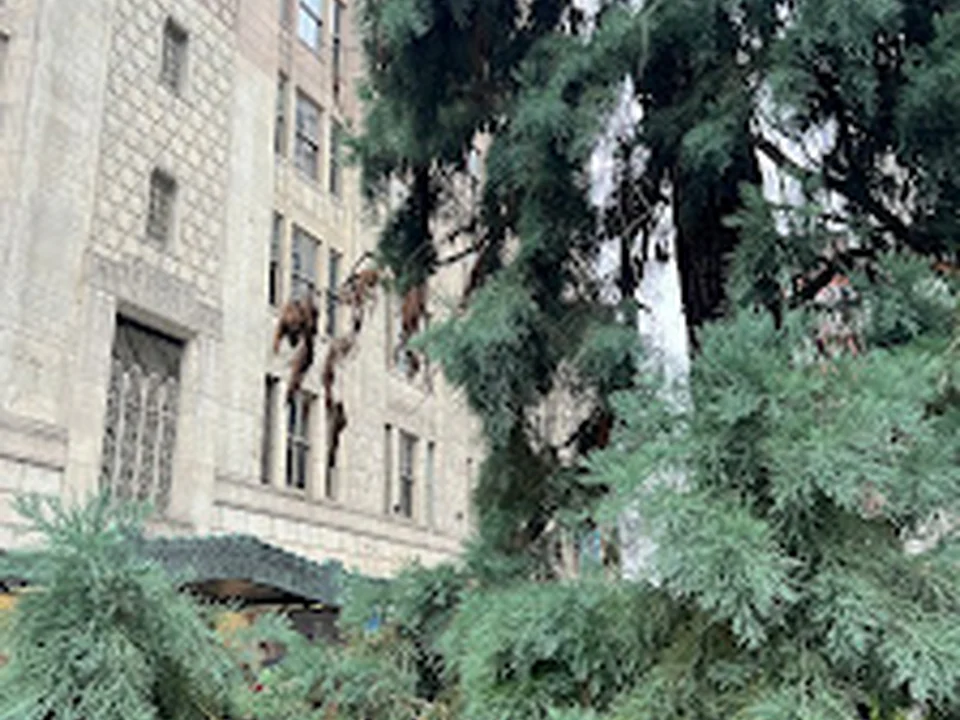
Seattle’s Giant Sequoia Tree is an unexpected natural landmark rising amid the city’s downtown bustle. Its scale creates a striking contrast with the surrounding streets, making it a memorable quick stop for visitors who want to see an impressive tree without leaving the urban core.

The sequoia has also become part of Seattle’s seasonal holiday-light tradition, adding extra visual interest at certain times of year. It suits a brief photo stop or a themed city walk, especially for families and anyone drawn to unusual urban landmarks.

The comparison at a glance

#BusinessRatingReviewsBest for
#1Ballard Locks Fish Ladder 4.73,588Families curious about engineering
#2Waiting For The Interurban 4.551—
#3Union Station 4.3383Architecture and history walks
#4Alki Point Lighthouse 4.3283—
#5Lincoln Reservoir 4.315—
#6Giant Sequoia 4.315—
#7Seattle's Giant Sequoia Tree 4.225—

Run a business?

Manage or add my business

Map of landmarks in Seattle

Seattle landmarks are distributed across waterfront, historic, residential, and transit-connected settings. Some are best treated as destinations, while others work as short additions to a neighborhood walk or a route between activities. Plan by distance and access rather than trying to visit every site in one sequence. Confirm the time needed on site, the safest approach for your group, and whether a scheduled visit or seasonal condition changes the plan.

Services to compare

  • Engineering discoveriesVisit the Ballard Locks Fish Ladder for a family-friendly look at water infrastructure and moving vessels.
  • Wildlife and maritime viewsChoose shoreline landmarks where marine activity and local wildlife can be part of the outing.
  • Architecture walksUse Union Station and other historic sites as anchors for architecture-focused exploration.
  • Seattle history stopsBuild a walking route around places that connect the city’s past with its public spaces and transportation story.
  • Transit-friendly sightseeingAdd Union Station or a nearby landmark to a journey when time is limited between arrivals and departures.
  • Lighthouse visitsInclude Alki Point Lighthouse when the group wants a maritime setting and a distinct shoreline destination.
  • Distinctive local sitesSeek out notable trees, reservoirs, and public landmarks for a less conventional Seattle itinerary.

How to choose landmarks in Seattle

  1. Pick a clear themeDecide whether the group wants engineering, maritime life, architecture, local history, or a distinctive photo stop before mapping the day.
  2. Measure the walking loadCheck the distance from transit and nearby attractions, then allow extra time for children, older travelers, or uneven outdoor routes.
  3. Verify the access windowConfirm opening conditions, viewing areas, seasonal access, and whether the landmark can be visited freely at your planned time.
  4. Plan around transitFor a stop between journeys, calculate the route, luggage needs, and return margin instead of relying on a short map estimate.
  5. Ask about guided contextIf the story matters as much as the structure, check whether interpretation, tours, or educational materials are available during your visit.

Frequently asked questions

Which Seattle landmark suits families interested in engineering?

Ballard Locks Fish Ladder is a natural choice for families curious about engineering and maritime activity. It can turn a waterfront visit into an educational stop while also offering opportunities to observe boats and wildlife. Check the route and viewing conditions before visiting, particularly with younger children.

Can I combine a landmark with a transit journey?

Union Station is associated with architecture and history walks as well as transit travelers adding sightseeing. Its role in the city’s transportation story makes it useful for a brief cultural stop when your route already passes nearby. Leave a return margin for connections and confirm how much time your group can spare.

Are Seattle landmarks suitable for a walking itinerary?

Yes, although the walking experience varies widely. Union Station can anchor an architecture route, while Alki Point Lighthouse and the Ballard Locks Fish Ladder create more location-specific outings. Map the stops in advance and check terrain, distance, and rest opportunities rather than assuming every landmark is close together.

Do any landmarks require advance planning?

Some landmark visits may depend on access conditions, timing, or organized interpretation, so confirm details before traveling. This is particularly important when a stop is part of a tightly scheduled day or when your group expects a specific viewing opportunity. Keep a flexible alternative nearby in case access or weather changes.

Related guides