Frequently asked questions
Are Seattle condominiums better for buyers or renters?
Both can find suitable options. Buyers may prioritize long-term ownership, views, amenities, and building condition, while renters often need clear lease terms and responsive property management.
Ask each property which arrangements are currently available and what approval steps apply before planning a move.
What should pet owners ask before choosing a condominium?
Confirm accepted pets, restrictions, deposits or fees, designated relief areas, and the practical route to outdoor space. Rules can vary even between high-rise buildings with similar marketing.
Also ask how residents manage deliveries, elevators, and shared areas with dogs.
How can I judge whether a downtown condominium is genuinely walkable?
Choose several destinations you use every week and measure the actual walking route, including crossings, slopes, entrances, and connections to transit. Nearby amenities matter less if reaching them is inconvenient.
Visit at a typical commute time to understand noise, foot traffic, and the feel of the surrounding streets.
What does responsive property management look like?
Look for a clearly explained contact process, realistic maintenance expectations, and a defined route for urgent problems. Ask who responds outside routine office communication and how updates are shared.
Speaking with current residents can help you understand whether organization continues after the initial tour.
Are city views enough to justify choosing one condominium over another?
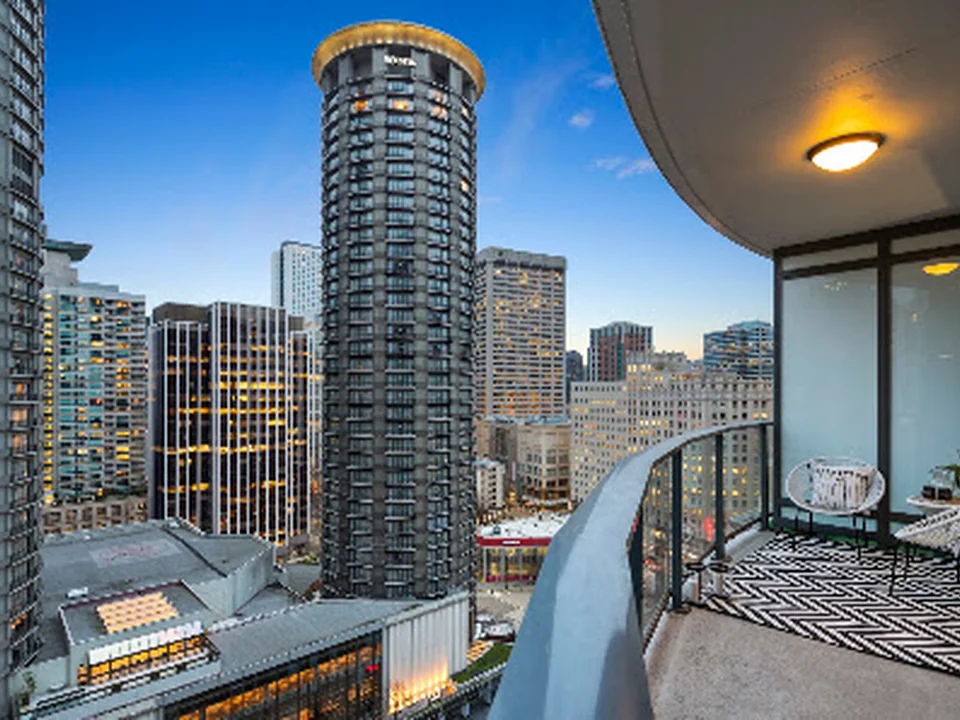
A view can be valuable, but it should be weighed against light, privacy, noise, layout, shared-space upkeep, and monthly obligations. Skyline appeal does not compensate for an impractical floor plan or weak management.
Inspect the outlook from the specific unit rather than relying only on building-level images.
 #1